· Atlanta Catering Events Team
Backyard Party Catering Ideas: Sophisticated Outdoor Dining
A backyard in Marietta or Johns Creek can host just as elegant a catered event as any ballroom, but the outdoor setting introduces logistics that a banquet hall handles automatically: weather, power, water access, heat, and bugs. Getting these right is what separates a backyard party that feels effortless from one where the host spends the whole night worrying about the sky.
This guide focuses specifically on what makes outdoor residential catering different from an indoor event, plus a set of grill and live-fire menu ideas built for backyard spaces. If you're planning a summer graduation party in Smyrna or a fall gathering in Roswell, the logistics below apply no matter what's on the menu.
Table of Contents
- Weather Contingency Planning
- Power and Water Access for Outdoor Stations
- Keeping Food Safe in the Heat
- Bug and Pest-Aware Food Covering
- Grill and Live-Fire Station Ideas
- Lighting and Ambiance for Outdoor Service
- Comparing Backup Plan Options
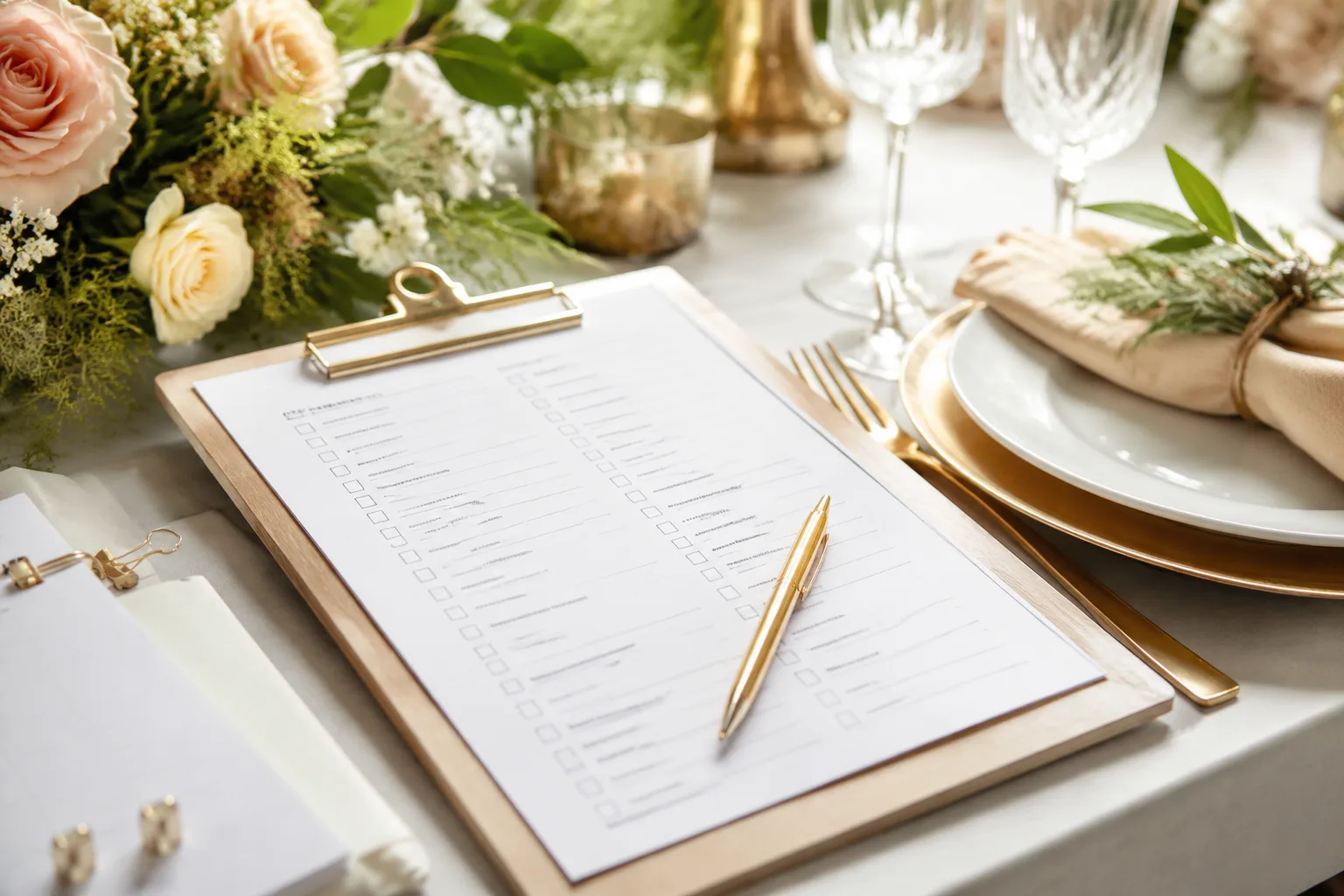
- Outdoor Event Planning Checklist
- Frequently Asked Questions
- Planning Your Backyard Event
Weather Contingency Planning
Georgia weather can shift quickly, especially during summer afternoon storm season, so every outdoor party needs a real backup plan, not just a hope that it doesn't rain. Start checking the extended forecast about a week out, then commit to a final call 48 hours before the event.
- Book tenting early if there's any doubt: Reputable tent rental companies in Metro Atlanta book up fast during peak spring and fall event season, so reserve a tent as a contingency even if you're hoping not to need it.
- Identify a real backup indoor space: A garage, finished basement, or covered porch that can hold your catering setup and at least a portion of your seating is worth mapping out before the week of the event.
- Build a rain-call deadline into your timeline: Decide with your caterer 24 to 48 hours out whether you're moving stations indoors, adding a tent, or proceeding as planned.
- Protect the food service area first: Even a partial-coverage pop-up canopy over the buffet or bar keeps service running if a brief shower passes through mid-event.
Power and Water Access for Outdoor Stations
Backyards are rarely wired the way a commercial kitchen is, so power and water access need to be mapped out during your caterer's site walkthrough, not discovered on event day.
- Confirm outdoor outlet locations and amperage: Warming equipment, blenders, and lighting can overload a single circuit if everything runs off one outlet.
- Plan for a generator if outlets are limited: For larger stations like a live-fire setup or a full bar, a quiet portable generator is often more reliable than running extension cords across the yard.
- Route cords safely away from walking paths: Cord covers or routing along fence lines reduce trip hazards, especially once it gets dark.
- Map out water access for a handwashing station: A hose bib near the food service area simplifies setup for a portable handwashing station, which is a health-code essential for outdoor food service.
Keeping Food Safe in the Heat
Georgia summers push food safety limits fast. The standard two-hour rule for perishable food shrinks to about one hour once the outdoor temperature climbs above 90 degrees, so heat management is a real planning item, not an afterthought.
- Position food service under shade or tenting: Direct sun on a buffet line raises food temperature far faster than ambient air temperature alone.
- Use ice baths for cold items: Salads, dips, and raw bar items should sit in a bed of ice, refreshed regularly, rather than simply on a table.
- Choose the right heat source for hot items: Chafing fuel works for shorter events, but electric warming equipment holds a steadier temperature for longer outdoor service windows when power is available.
- Stagger food out in smaller batches: Refreshing trays every 30 to 45 minutes from a cooler kitchen staging area keeps less food sitting out in the heat at once.
Bug and Pest-Aware Food Covering
Nothing derails an outdoor buffet faster than uncovered food attracting bees or flies. A few simple habits go a long way:
- Use mesh food domes or covers between service waves: Especially for anything sweet, which draws bees and wasps quickly in warm weather.
- Keep citronella and bug repellent away from the food line: Place these near seating areas instead, since strong scents near food can affect flavor and appearance.
- Time dessert display for cooler, later hours when possible: Sweet items left out during peak afternoon heat attract the most insects.
- Assign a staff member to monitor open dishes: Some items, like a carving station or raw bar, can't be domed the entire time they're being served, so active monitoring matters.
Grill and Live-Fire Station Ideas
A backyard's biggest advantage over an indoor venue is the ability to cook live, right in front of guests. These stations are specifically suited to residential outdoor spaces:
- Whole Hog or Pulled Pork Pit: A slow-smoked centerpiece that doubles as an all-afternoon aroma and a talking point.
- Live-Fire Skewer Station: Chef-grilled meat and vegetable skewers finished to order over an open flame.
- Wood-Fired Pizza Oven: A portable pizza oven lets guests choose toppings while chefs cook each pie in minutes.
- Smoked Brisket Carving Station: Low-and-slow brisket sliced fresh, paired with a couple of Southern-style sauces.
- Grilled Shrimp & Peach Skewers: A Georgia-forward pairing of local peaches and char-grilled shrimp.
- Backyard S'mores Fire Pit: An evening-friendly station once the sun goes down and the grill work winds down.
Lighting and Ambiance for Outdoor Service
Lighting isn't just decorative outdoors; it affects how safely and smoothly food service runs once the sun sets.
"Good outdoor lighting does two jobs at once: it makes the party feel intentional, and it keeps your servers from carrying trays through the dark. We plan light the same way we plan food."
— Atlanta Catering Events Team
- String lights over the dessert or bar table: Creates a natural focal point and gives servers enough light to work safely.
- Path lighting between stations: Lanterns or stake lights along walkways keep guests moving safely between the grill, bar, and seating.
- Warm-toned lighting near food displays: Warm bulbs make food look appetizing; cool white light can wash out color and make dishes look less inviting.
Comparing Backup Plan Options
| Backup Option | Lead Time Needed | Best For |
|---|---|---|
| Full Tent Rental | 3 to 6 weeks | Parties over 40 guests with no reliable indoor alternative |
| Move Indoors | Confirm layout ahead of time | Smaller gatherings with a garage, basement, or covered porch available |
| Partial Pop-Up Canopy | 1 to 2 weeks | Protecting just the food and bar service area during brief showers |
Outdoor Event Planning Checklist
- Confirm tenting or indoor backup at least 3 weeks before the event: Rental availability tightens closer to the date, especially in peak season.
- Walk the yard with your caterer to map power, water, and shade: This determines where each station can realistically go.
- Obtain verified final RSVPs with dietary restrictions 14 days prior: Outdoor menus still need the same allergen planning as an indoor event.
- Confirm chafing fuel or electric warming equipment based on power access: Don't assume outlets will be available exactly where you want a station.
- Plan lighting for both the food area and walking paths: Order string lights or lanterns with enough lead time to test them before the event.
- Set a rain-call deadline with your host and caterer in writing: A clear 24 to 48-hour decision point avoids last-minute scrambling.
Frequently Asked Questions
1. How far in advance should we book tenting for a backyard party?
We recommend reserving tenting 3 to 6 weeks out, especially during spring and fall when Metro Atlanta rental companies book up quickly. During peak weekends, popular tent sizes can sell out even earlier.
2. What happens if it rains and we don't have a tent?
If a real indoor backup space is available and large enough, we can shift stations there with advance planning. Without either option, a brief pop-up canopy over the food and bar area can protect service through a passing shower.
3. Do you bring your own generator if the yard doesn't have enough outlets?
Yes, for larger outdoor setups we can arrange a portable generator so warming equipment, lighting, and bar service aren't dependent on your home's existing outlets.
4. How do you keep food safe when it's over 90 degrees outside?
We shorten our serving windows, use shaded or tented service areas, keep cold items on ice, and refresh trays in smaller batches from a cooler staging area rather than leaving large quantities out at once.
5. Can you set up a live grill or fire station in a residential backyard?
In most cases, yes. We assess the yard's layout, distance from structures, and any HOA or local fire code restrictions during the site walkthrough to confirm what's possible.
6. What's the minimum guest count for a full-service backyard catering package?
Our full-service catering packages start at 10 guests. Smaller backyard gatherings can typically work with drop-off or simplified catering options instead.
7. Do you handle bug and pest management around the food?
We use mesh covers between service waves and keep any bug repellent or citronella placed away from food, but pest control for the broader yard is typically the host's responsibility ahead of the event.
8. Do you provide lighting for evening backyard events?
We can coordinate string lighting, lanterns, and path lighting as part of your setup, particularly around food and bar stations where staff need to see clearly after dark.
9. Can we incorporate cultural or regional food styles into a backyard menu?
Absolutely. Live-fire and grill formats adapt well to a wide range of cuisines, from Southern barbecue to Thai-inspired grilled skewers, alongside classic backyard party staples.
Planning Your Backyard Event
A great backyard party comes down to solving the logistics most guests never notice: where the power comes from, what happens if the sky opens up, and how the food stays fresh in the heat. Get those right, and the grill smoke, string lights, and long table of shared food do the rest of the work.
Ready to plan your backyard event? Contact Atlanta Catering Events today and we'll walk your yard with you to map out power, weather backup, and a menu built for outdoor service.
Explore Private & Social Event Catering