· Atlanta Catering Events Team
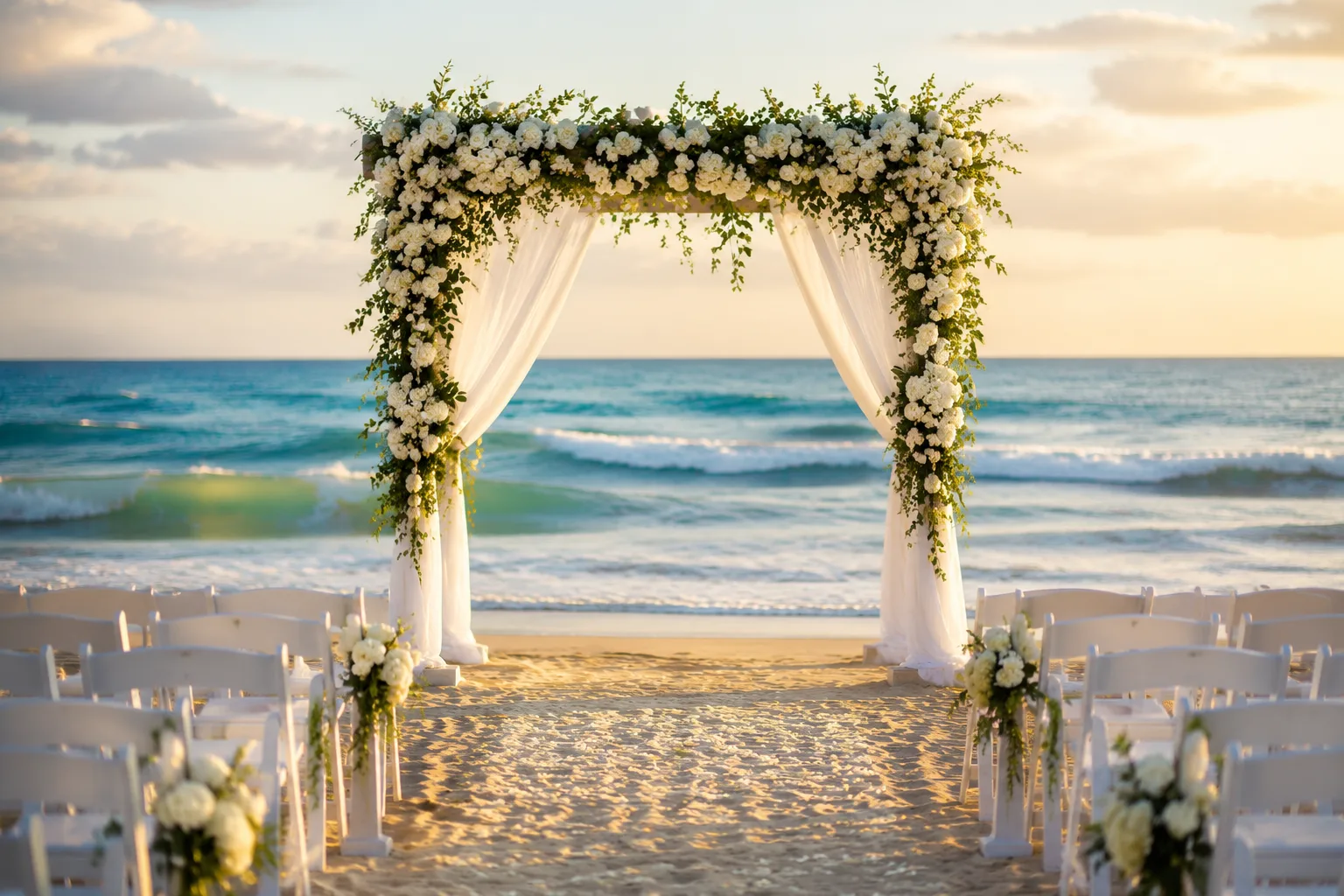
Destination Wedding Planning: What to Know Before You Book
A destination wedding trades your hometown venue for a beach, a vineyard, a mountain lodge, or anywhere else that feels worth the trip. It can mean a smaller, more intimate guest list, a built-in vacation for everyone who attends, and a backdrop you could never recreate locally. It also comes with planning challenges a local wedding does not: travel logistics, legal paperwork, vendor coordination from a distance, and guests who need real lead time to say yes. Here is what to think through before you put down a deposit.
Choosing Your Destination
Start with the factors that affect every guest, not just your own preferences.
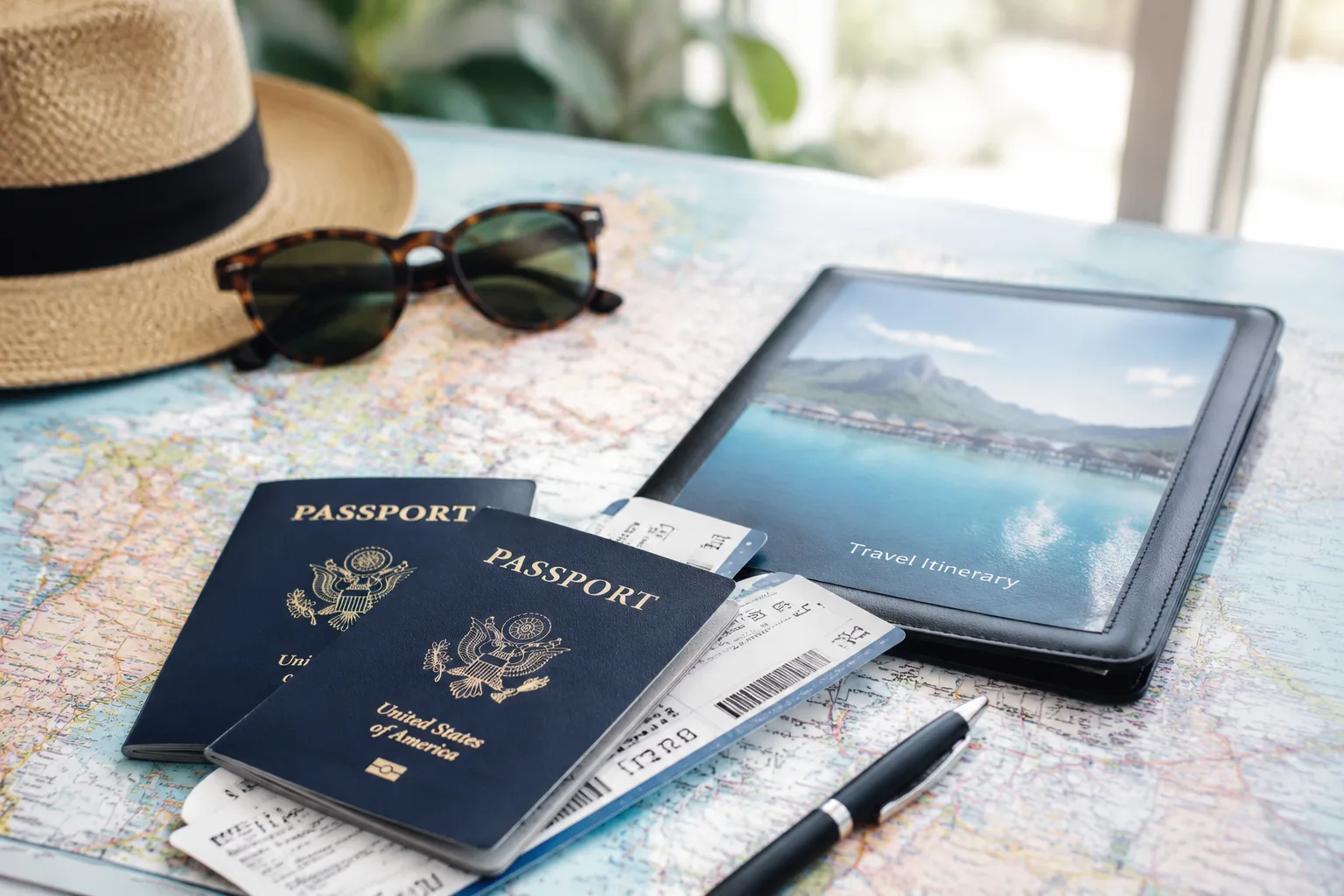
- Travel time and cost. A four-hour flight with connecting layovers will shrink your guest list more than a direct two-hour flight to a similarly beautiful location. Be honest about what you are asking people to spend.
- Weather and season. Research the actual climate for your wedding month, not just the destination's reputation. Hurricane season, monsoon season, and extreme summer heat can all derail an outdoor ceremony.
- Legal marriage requirements. Some countries require lengthy residency periods, blood tests, or notarized translated documents before they will issue a marriage license to foreign visitors. Many couples instead marry legally at home beforehand (including at a courthouse) and hold a symbolic ceremony at the destination, which removes the paperwork risk entirely.
- Venue capacity and vendor access. Confirm the venue can actually accommodate your expected guest count and has a track record of hosting weddings, not just events in general.
Planning Around Your Guests
Destination weddings ask more of your guests than a local wedding does, so build in extra consideration.
- Send save-the-dates early. Aim for 9 to 12 months out at minimum so guests can request time off, budget for flights, and arrange childcare.
- Provide a range of accommodation options. A room block at one price point excludes guests on tighter budgets. Offer a couple of choices at different costs when possible.
- Be upfront about total cost. Guests appreciate knowing roughly what to expect for flights, lodging, and any group activities so they can plan ahead rather than being surprised.
- Plan a welcome event. A casual welcome dinner or gathering the night before the wedding gives out-of-town guests, many of whom are meeting each other for the first time, a relaxed way to connect before the main event.
Budgeting for a Destination Wedding
Destination weddings can be less expensive than a large local wedding since guest counts tend to be smaller and some venues include catering, decor, or coordination in a package rate. But costs shift rather than disappear: you are now paying for your own travel and lodging, vendor travel fees if you bring anyone from home, and often service charges or import fees on rentals shipped to the location. Get a fully itemized quote from any destination venue or planner before booking, and ask specifically what is and is not included.
Working With Vendors From a Distance
Coordinating vendors you cannot easily meet in person takes a different approach than local wedding planning.
- Video call before booking. A live conversation reveals more about a vendor's communication style and reliability than email alone.
- Ask for local references. A vendor who regularly works at your chosen venue will already understand its layout, restrictions, and preferred suppliers.
- Get everything in writing. Contracts, payment schedules, and cancellation policies matter even more when you cannot easily visit in person to resolve a dispute.
- Consider hiring a local wedding planner. Someone based at or near your destination can handle site visits, vendor meetings, and day-of logistics that are difficult to manage remotely.
Legal Paperwork and Marriage Requirements
Every country and, within the U.S., every state has different rules for marriage licenses, waiting periods, and required documentation. Research your destination's specific requirements at least six months in advance, since some locations require documents to be apostilled, translated, or submitted well ahead of your travel date. If the paperwork feels too uncertain or time-consuming, many couples handle the legal marriage separately (a simple courthouse ceremony at home works well for this) and treat the destination event as a symbolic celebration with a wedding officiant of their choosing.
Bringing the Celebration Home
Many couples who marry at a destination still want to celebrate with the family and friends who could not make the trip. A local reception back in Atlanta lets you share the day with your full circle without asking everyone to travel. Our wedding catering team regularly works with couples on these post-destination-wedding celebrations, building a menu around the trip's theme or simply focused on great food and an easy night for everyone who missed the original event.
Destination Wedding Planning Checklist
- Confirm legal marriage requirements for your destination at least 6 months out.
- Send save-the-dates 9 to 12 months before the wedding date.
- Book your venue and confirm what is included in the package price.
- Offer guests a range of accommodation options and be transparent about expected costs.
- Video call with key vendors before signing contracts.
- Plan a welcome event for the night before the ceremony.
- Decide if you want a separate at-home celebration for guests who cannot travel.

Frequently Asked Questions
How far in advance should we book a destination wedding venue?
Most destination venues should be booked 12 to 18 months in advance, especially for popular dates and peak travel seasons, since availability and airfare both get tighter the closer you get to the date.
Is it cheaper to get legally married at home before the destination ceremony?
Often, yes. Marrying legally at home first, such as with a simple courthouse ceremony, avoids the cost and complexity of foreign marriage paperwork and lets you treat the destination event purely as a symbolic celebration with no legal deadline pressure.
How many guests typically attend a destination wedding?
Guest counts are usually smaller than local weddings since travel cost and time limit who can attend. Many destination weddings run in the range of 20 to 60 guests, though this varies widely based on the destination's accessibility.
Should we hire a wedding planner at the destination?
It is strongly recommended. A planner based near your venue can handle vendor coordination, local logistics, and problem-solving in person, which is difficult to manage effectively from another state or country.
Can we still have a reception at home after a destination wedding?
Absolutely, and it is common. A local reception lets you celebrate with guests who could not make the trip, whether that is a formal dinner, a casual backyard gathering, or anything in between.
Planning a Celebration Back Home?
If you are marrying away from Atlanta but want to bring the celebration home for family and friends, our team can help you plan a reception, welcome dinner, or anniversary gathering built around your destination wedding story. Contact our event coordinators to start planning your menu.