· Atlanta Catering Events Team
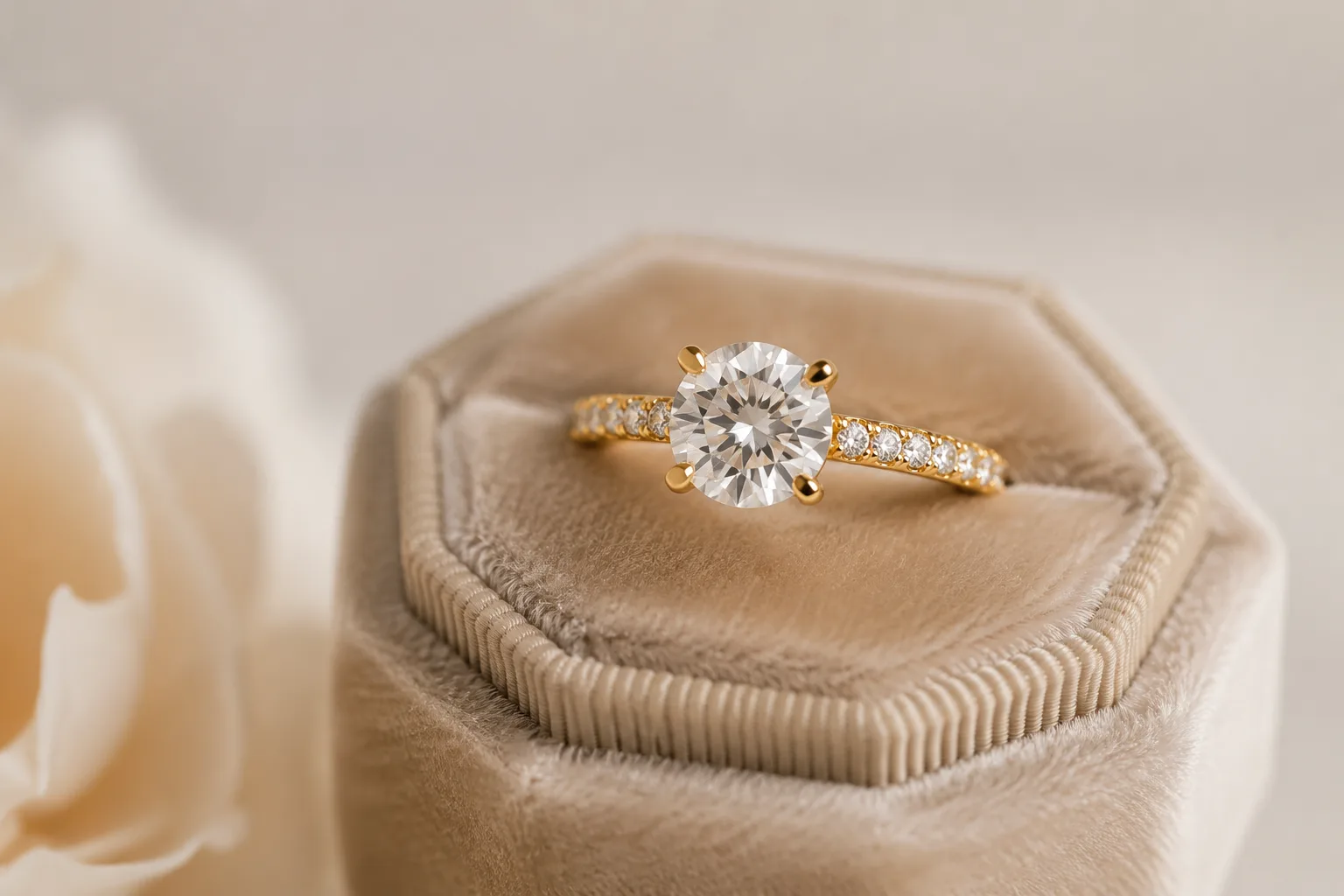
Engagement Ring Shopping Guide: What to Know Before You Buy
Buying an engagement ring is often the first big financial and stylistic decision a couple makes together, or one partner makes solo, hoping to get it right. Between the terminology, the budget question, and the sheer number of options, it's easy to feel overwhelmed before you've even walked into a store. This guide breaks down what actually matters when shopping for an engagement ring, so you can make a confident, informed decision.
Start With a Budget, Not a Diamond
The old rule of spending a fixed number of months' salary on a ring is a marketing guideline, not a financial one, and most couples today set a budget based on their actual finances and priorities rather than a formula. Before you start browsing, decide on a comfortable spending range as a couple if possible. Many couples discuss general style preferences and budget together even if the proposal itself is a surprise.
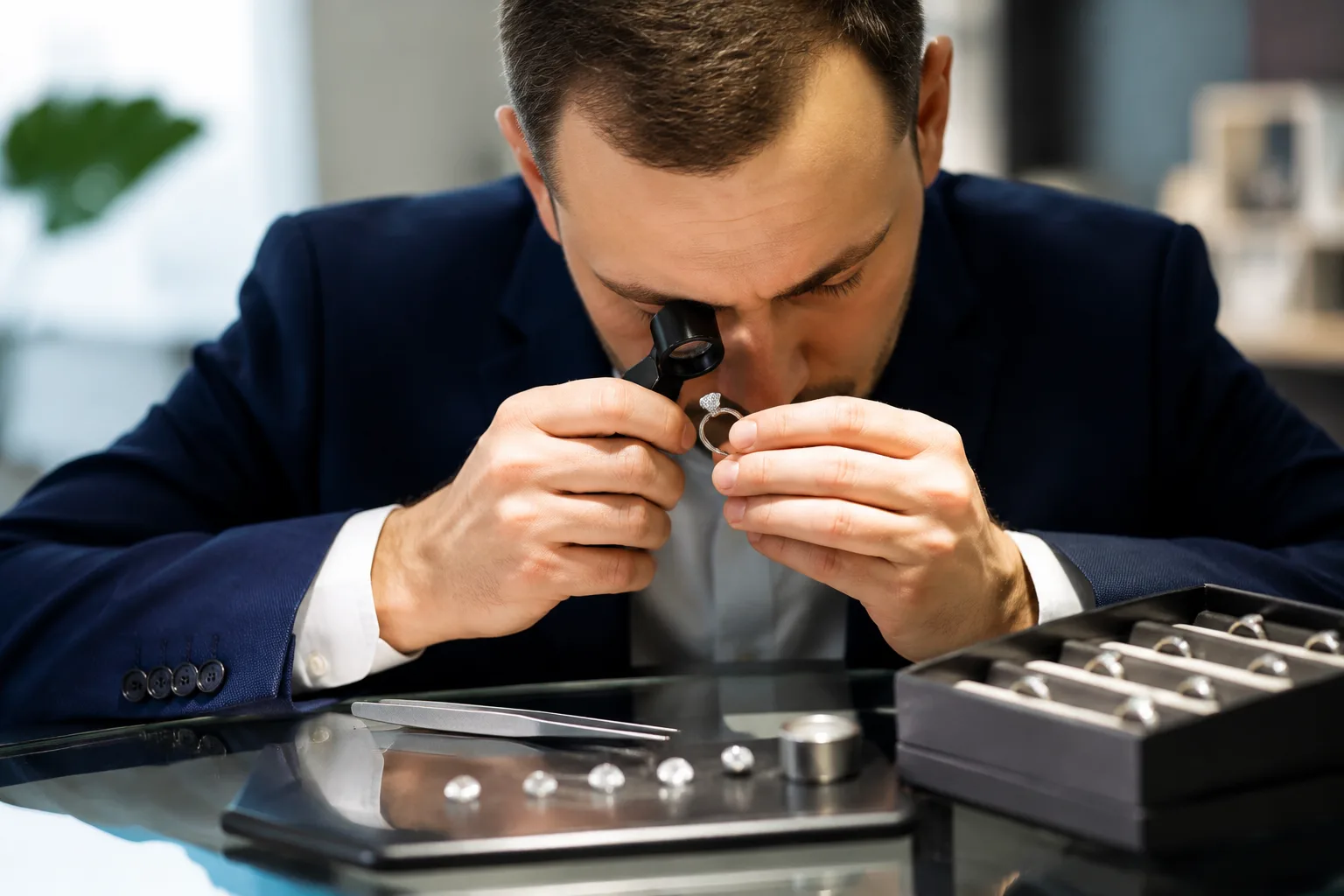
Understanding the 4Cs
Diamond quality is typically described using four characteristics, often called the 4Cs:
- Cut: How well the diamond's facets interact with light. Cut quality has the biggest visual impact on sparkle, and is worth prioritizing over the other three Cs if you have to choose.
- Color: Graded on a scale from colorless to light yellow or brown. Near-colorless grades often look nearly identical to colorless ones to the naked eye, at a lower price point.
- Clarity: Refers to internal and surface imperfections. Many clarity grades that are technically "included" are invisible without magnification, especially in smaller stones.
- Carat: The diamond's weight, not its size. Cut quality affects how large a diamond appears relative to its carat weight.
Ask any jeweler for a grading report from an independent gemological laboratory for diamonds above roughly half a carat, so you can verify the 4Cs claims independently rather than relying on the seller's word alone.
Lab-Grown vs. Mined Diamonds
Lab-grown diamonds are chemically and optically identical to mined diamonds, graded using the same 4Cs, but typically cost significantly less per carat. Mined diamonds carry more resale and traditional appeal for some buyers. Neither option is objectively "better"; it comes down to personal priorities around budget, tradition, and environmental considerations.
Choosing a Metal
- Platinum: Naturally white, hypoallergenic, and durable, but generally the most expensive metal option.
- White gold: More affordable than platinum, but typically plated with rhodium, which wears over time and needs periodic replating.
- Yellow and rose gold: Classic and trending options respectively, both requiring less maintenance than white gold since there's no plating to wear off.
Ring Settings and Styles
The setting affects both the look and the practicality of a ring. Prong settings maximize light exposure to the stone but leave it more exposed to bumps and snags. Bezel settings wrap metal around the stone's edge, offering more protection, which makes them a practical choice for active lifestyles. Halo settings surround a center stone with smaller accent diamonds, creating the visual effect of a larger stone at a lower cost than upsizing the center diamond itself.
Getting the Ring Size Right
If the proposal is a surprise, getting an exact ring size in advance can be tricky. Common workarounds include borrowing a ring your partner already wears (measured on the correct finger), asking a close friend or family member who might know, or simply choosing a size and planning to resize after the proposal. Most jewelers offer at least one free resizing within a set window after purchase.
Protecting Your Purchase
Once you've bought the ring, take a few practical steps: get it appraised for insurance purposes, ask about the jeweler's warranty and resizing policy, and consider adding it to a homeowners or renters insurance policy, or a standalone jewelry insurance policy, in case of loss or damage.
After the "Yes": What Comes Next
Once the ring is on and the celebrating begins, most couples move quickly into wedding planning mode. Two of the earliest practical steps are setting up a wedding website to keep guests informed and starting the venue and catering search. If food and hospitality are a priority for your big day, our guide to wedding catering in Atlanta is a good next stop, and our team is happy to answer any early planning questions even before you've locked in a date.
Frequently Asked Questions
How much should I spend on an engagement ring?
There's no universal rule. The old "salary months" guideline is a marketing convention, not a financial standard. Set a budget based on your actual finances and priorities as a couple rather than a fixed formula.
What is the most important of the 4Cs?
Cut is generally considered the most important factor for visual sparkle, since it determines how well the diamond reflects light, regardless of its color, clarity, or carat weight.
Are lab-grown diamonds a good option?
Yes, for many buyers. Lab-grown diamonds are chemically and optically identical to mined diamonds and are graded with the same 4Cs, typically at a lower price per carat. The choice comes down to personal priorities.
How do I figure out ring size without ruining the surprise?
Common approaches include borrowing a ring your partner already owns to measure, discreetly asking someone close to them, or choosing a reasonable size estimate and planning for a free resizing after the proposal.
Should I get the ring appraised?
Yes. An independent appraisal establishes the ring's value for insurance purposes and gives you documentation in case you ever need to file a claim for loss, theft, or damage.
What should I do right after getting engaged?
Many couples start with a wedding website to share the news and keep guests updated, then move into venue and catering research. Setting a rough budget and guest count early makes those first vendor conversations much easier.