· Atlanta Catering Events Team
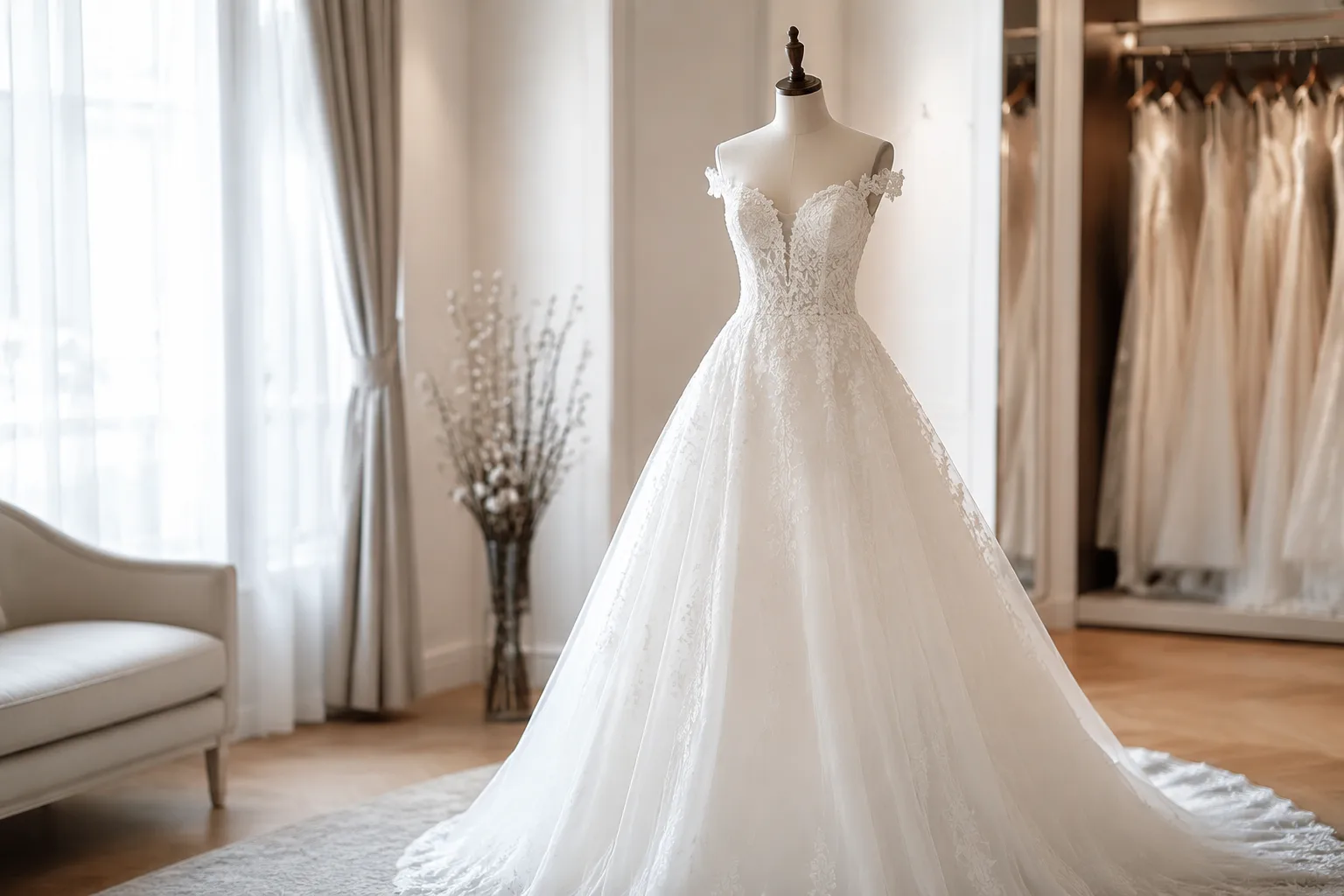
How to Choose Your Wedding Dress: A Style Guide for Every Body Type
Shopping for a wedding dress can feel overwhelming fast: silhouettes, necklines, fabrics, and a sales calendar that often runs 6 to 9 months behind delivery. The good news is that once you understand a handful of core silhouette categories and how they interact with your body type and venue, the search narrows quickly. This guide walks through the fundamentals so you can shop with confidence instead of trying on everything in the store.
Table of Contents
- When to Start Shopping
- Silhouette Guide by Body Type
- Necklines and Fabric Basics
- Matching Your Dress to Your Venue and Season
- Budget and Alteration Tips
- Frequently Asked Questions
When to Start Shopping
Most wedding dresses, particularly if ordered from a boutique rather than bought off-the-rack, take several months to arrive and then require multiple rounds of alterations. A common guideline is to start shopping 9 to 12 months before your wedding, order by the 8-month mark if possible, and plan for alterations to begin around 2 to 3 months before the big day. If your wedding is coming up faster than that, ask boutiques directly about rush order fees or shop their in-stock, ready-to-wear sample gowns, which can be altered on a much shorter timeline.
Silhouette Guide by Body Type
Silhouette is the single biggest factor in how a dress fits and flatters, and it's worth understanding the main categories before you start trying things on:
Ball Gown
A fitted bodice with a dramatically full skirt. This silhouette works well for defining the waist and is a strong choice if you want a formal, traditional look. It also tends to be the most practical for grand, ballroom-style venues where the fuller skirt has room to move without competing with tight aisle spacing.
A-Line
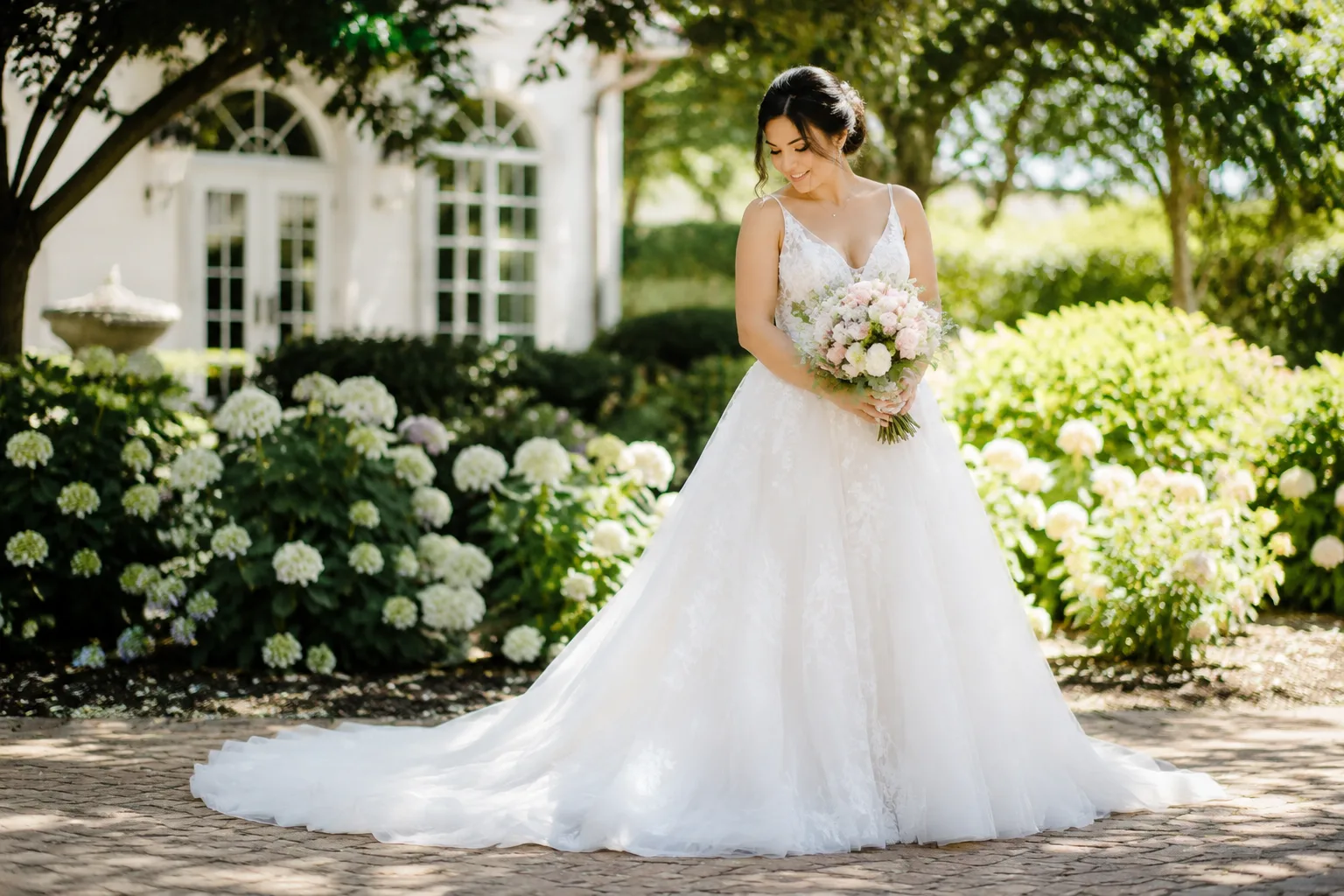
Fitted through the bodice and gently flaring out from the waist, the A-line is often called the most universally flattering silhouette because it skims rather than clings, working well across most body types and venue styles, from garden ceremonies to ballrooms.
Mermaid and Trumpet
Fitted through the bodice and hip before flaring out at the knee (mermaid) or lower thigh (trumpet), this silhouette highlights curves and creates a dramatic, glamorous silhouette. It photographs beautifully but requires careful movement in tight spaces, so consider aisle width and dance floor space when choosing this style.
Sheath
A slim, straight cut that follows the body's natural line from top to bottom without significant flare. This is a popular choice for beach, courthouse, or minimalist modern weddings, and tends to be lighter and more comfortable in warm weather.
Empire Waist
A seam sits just below the bust with a flowing skirt from there down. This silhouette is comfortable, forgiving through the midsection, and works especially well for outdoor and destination weddings where ease of movement matters.
The honest truth is that "body type" guidance is a starting point, not a rule. The best way to know what silhouette flatters you is to try on at least one dress from each major category, since fit varies enormously by designer and construction even within the same silhouette name.
Necklines and Fabric Basics
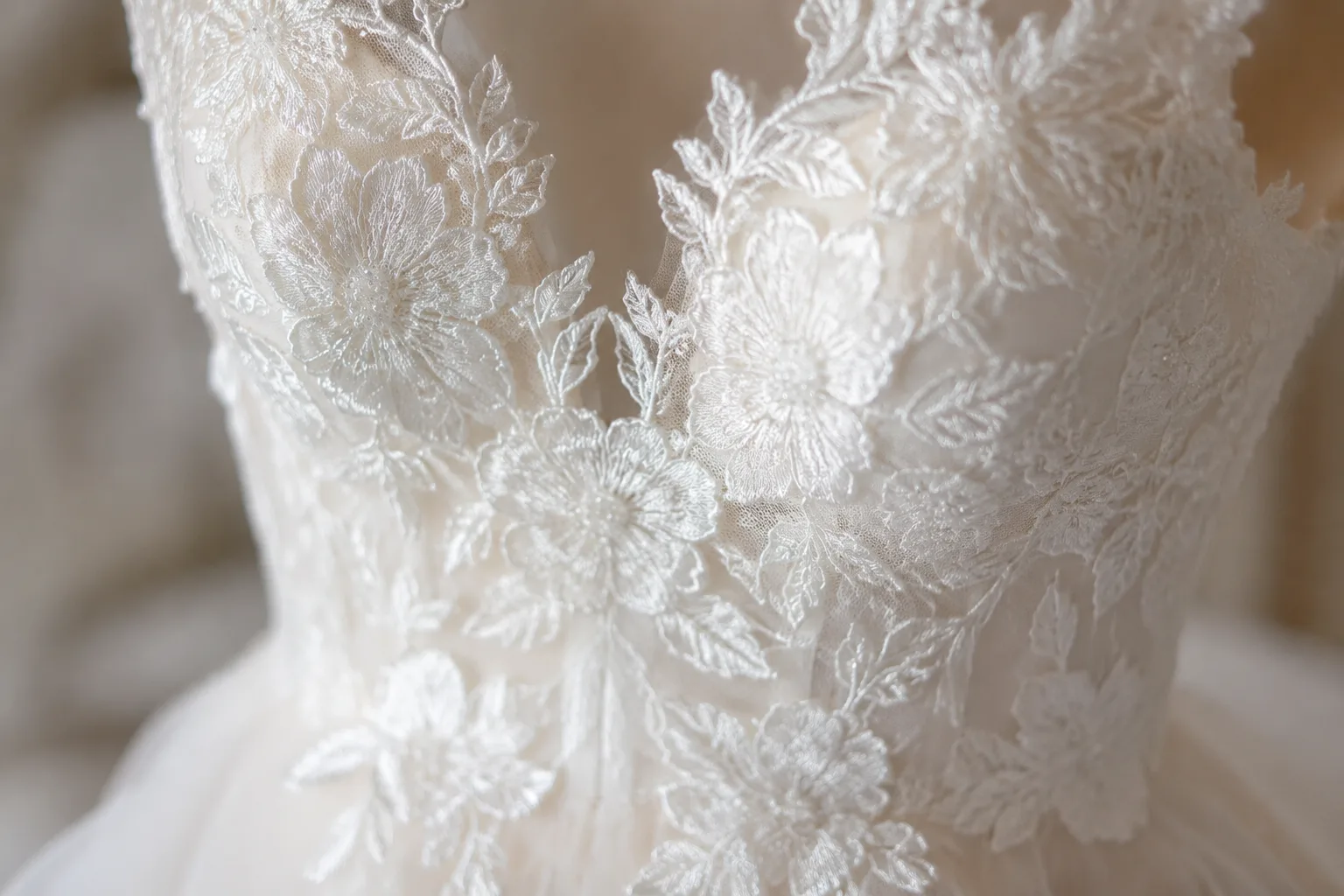
Necklines (sweetheart, V-neck, off-the-shoulder, halter, high neck) shape how the dress frames your face and shoulders, while fabric affects both look and comfort. Structured fabrics like mikado and satin hold shape well for formal ballroom settings, while flowing fabrics like chiffon and organza move more naturally and tend to be cooler, which matters a lot for a summer outdoor Georgia wedding.
Matching Your Dress to Your Venue and Season
Your venue and season should genuinely inform your dress choice. A heavy, structured ball gown in a hot, humid outdoor Georgia ceremony in July can be uncomfortable for hours of standing and dancing, while a lightweight chiffon sheath might read as too casual for a formal indoor ballroom in December. If you've already chosen your venue, bring photos of the space to your dress appointments. Stylists can give much more specific silhouette recommendations once they know the setting, lighting, and formality level.
Budget and Alteration Tips
- Set a hard budget before you shop and tell the consultant upfront. Most boutiques carry a wide price range and can steer you toward options within it, saving you from falling in love with something out of reach.
- Budget separately for alterations. Alterations are rarely included in the dress price and can add a meaningful amount depending on how much reshaping is needed.
- Consider sample sales and trunk shows for discounts on gowns already in the boutique's inventory.
- Order any accessories (veil, belt, jewelry) with enough lead time to coordinate them at your final fitting rather than as an afterthought.
Once your dress, venue, and overall wedding aesthetic are set, the same style considerations often carry over into your reception details, including your menu presentation and table design. Our team frequently works with couples to design a menu and food styling that complements their overall wedding vision. See our wedding catering services for more, or read up on wedding guest dress etiquette if you're also fielding questions from your guests about what to wear.
Frequently Asked Questions
How far in advance should I buy my wedding dress?
Start shopping 9 to 12 months before your wedding date. Boutique orders often take several months to arrive, and you'll want time afterward for two to three rounds of alterations.
What's the best dress silhouette for a hot, humid outdoor wedding?
Lightweight, flowing fabrics like chiffon or organza in an A-line, sheath, or empire waist silhouette tend to be more comfortable in Georgia's summer heat and humidity than heavier structured ball gowns.
How many alteration appointments should I expect?
Most brides need two to three fitting appointments: an initial fitting once the dress arrives, a follow-up to check adjustments, and a final fitting close to the wedding date to confirm everything fits perfectly.
Should I bring photos of my venue to dress shopping appointments?
Yes, it genuinely helps. Consultants can give more targeted silhouette and fabric recommendations when they understand your venue's formality, indoor or outdoor setting, and overall aesthetic.
Is it better to buy off-the-rack or order a custom gown?
It depends on your timeline and budget. Off-the-rack or in-stock sample gowns are faster to acquire and typically less expensive, while ordered gowns offer more customization but require a longer lead time.
Do I need to decide on my venue before choosing my dress?
It's not strictly required, but it helps. Knowing whether your wedding is formal or casual, indoor or outdoor, and what season it falls in makes it much easier to choose a silhouette and fabric that will actually be comfortable and appropriate for the setting.