· Atlanta Catering Events Team

Kids' Birthday Party Planning Checklist
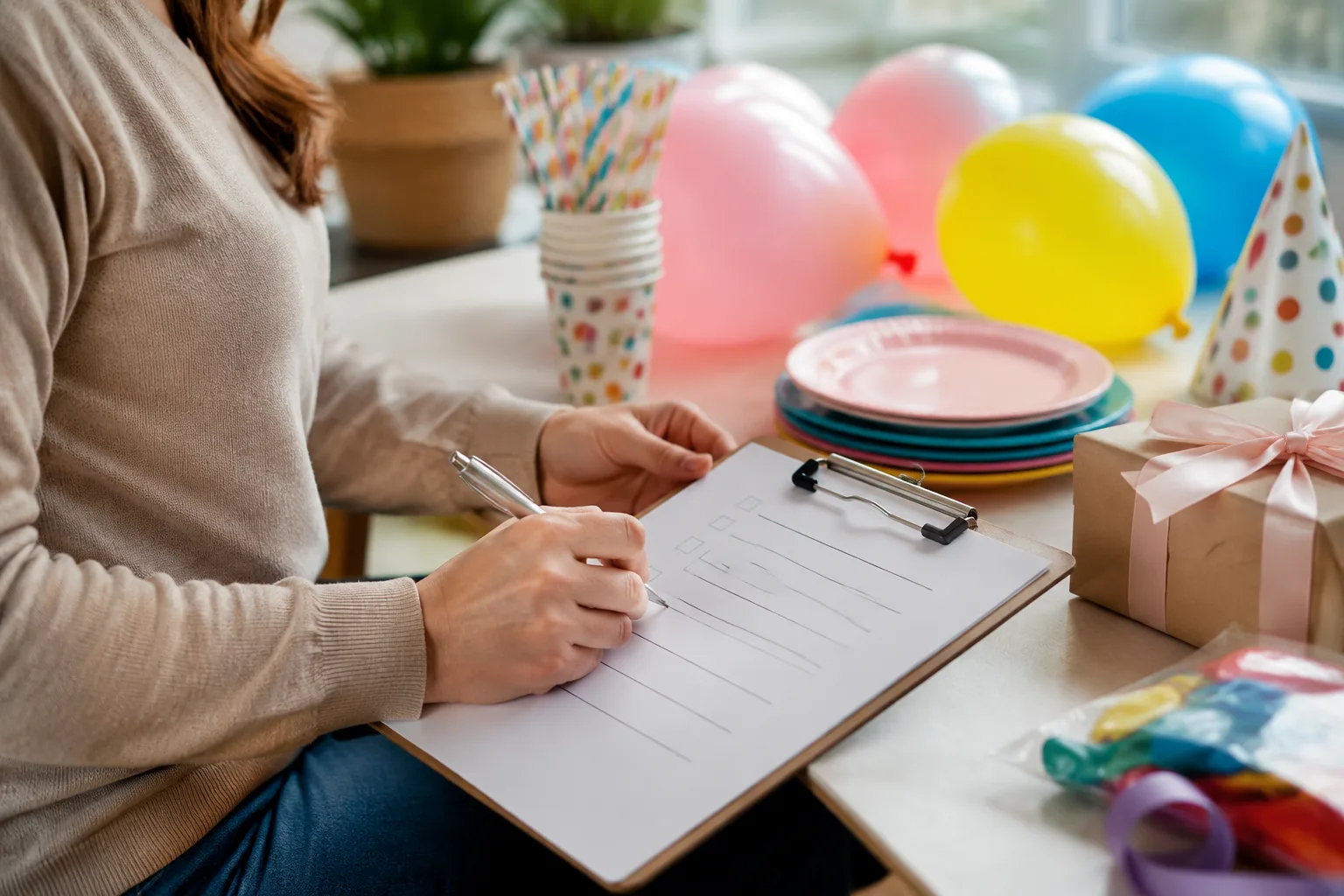
Planning a kids' birthday party involves more moving pieces than most people expect until they are three weeks deep into it: venue availability, RSVP tracking, activity timing, and enough backup plans to handle a rained-out backyard or a last-minute allergy question. This checklist walks through the planning process in order, from the first booking decisions down to day-of logistics, so nothing gets missed.
4-6 Weeks Before: Lock In the Big Decisions
- Set the date and time. Weekend mornings and early afternoons tend to work best for younger kids, since energy and attention span drop off later in the day.
- Choose the venue. A backyard, a rented party space, a park pavilion, or an indoor play venue are all common options. Confirm availability and any deposit requirements early, since popular weekend slots book up fast.
- Decide on a theme. A theme is not required, but it makes decorations, activities, and even the cake easier to plan cohesively once it is chosen.
- Draft the guest list. Decide whether the party is classmates, family, or a mix, and get a rough headcount before booking anything that depends on numbers, like a venue with capacity limits.
- Send invitations. Digital invites are convenient for tracking RSVPs; physical invites still feel more special for a smaller, closer guest list. Either way, include an RSVP deadline about two weeks before the party.
2-3 Weeks Before: Activities and Entertainment
Kids' parties run smoothest when there is a loose structure to the time, even if it feels informal in the moment. A few reliable formats:
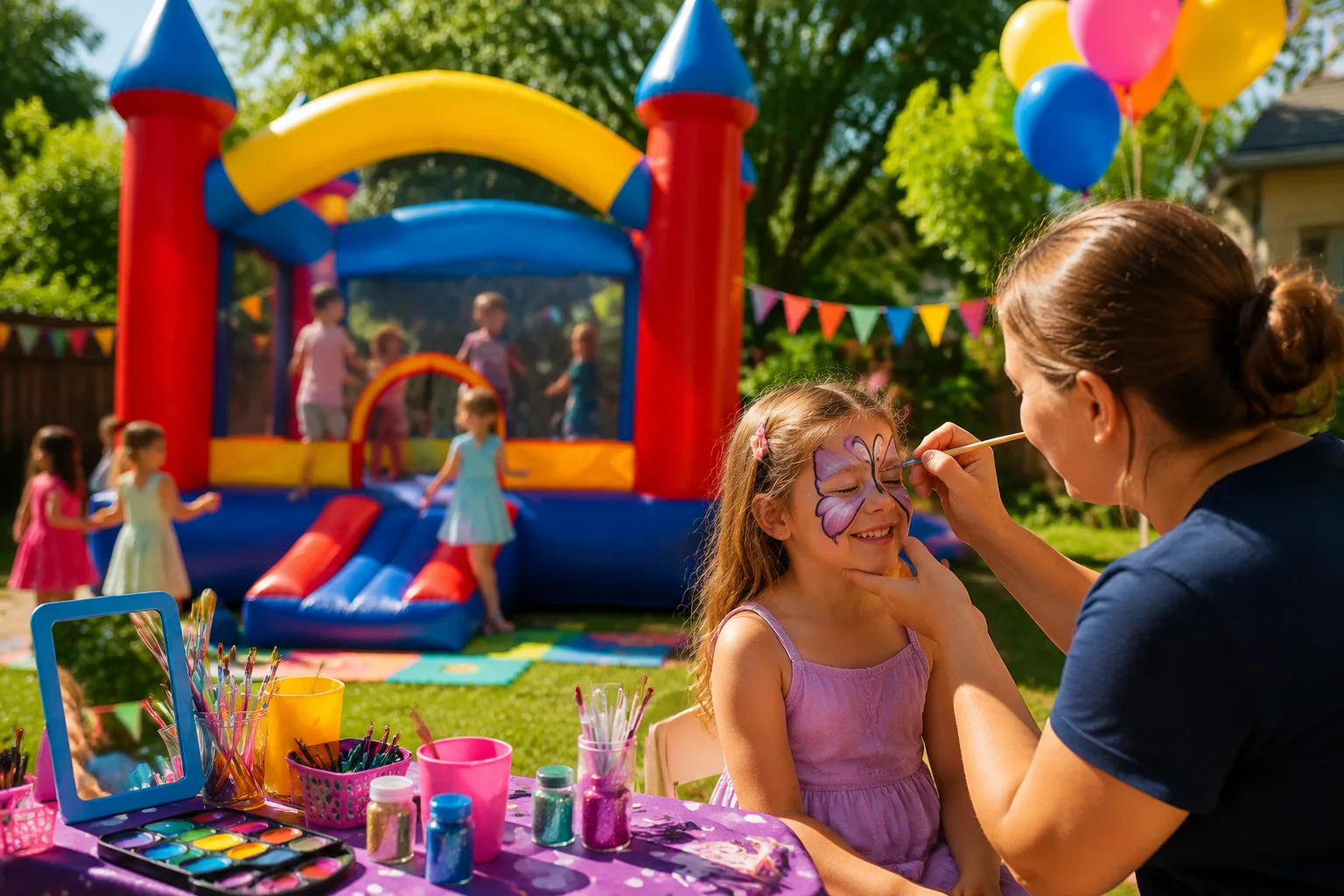
- A dedicated activity or entertainer. Face painting, a craft station, a bounce house rental, or a hired entertainer gives the party a clear centerpiece activity and takes pressure off free-form play, especially for younger kids.
- Simple games that need little setup. Musical chairs, a scavenger hunt, or relay games work for almost any age group and require minimal equipment.
- Open play time. Especially for younger kids, unstructured time with toys, an outdoor space, or a play area is often just as popular as a planned activity, so avoid over-scheduling the entire party.
- A clear timing plan. Most kids' parties run well in a 90-minute to two-hour window: a short arrival/mingling period, one or two activities, food and cake, and a wind-down before pickup.
2 Weeks Before: Confirm the Details
- Follow up with any guests who have not RSVP'd.
- Order or plan the cake, confirming any allergy needs (see below) with the bakery.
- Finalize decorations and, if using a rental venue, confirm what is included versus what you need to bring yourself.
- Book any entertainer, photographer, or rental equipment if you have not already.
- Plan your backup for weather if the party is outdoors, whether that's a tent, an indoor fallback space, or a rescheduling plan.
Safety Considerations
Safety planning matters more for kids' parties than almost any other event type, simply because the guests are less able to self-manage risk. A few areas worth double-checking:
- Allergy and dietary information. Ask parents on the invitation or RSVP to flag any allergies, especially the most common triggers: peanuts, tree nuts, dairy, eggs, and gluten. Collect this information at least a week before the party so food and cake choices can account for it.
- Choking hazards for younger kids. If toddlers or preschoolers are attending, keep small toys, balloons, and small hard candies away from areas where the youngest kids play unsupervised.
- Supervision ratios. For active or water-based activities (a bounce house, a pool, an active game), make sure there is a dedicated adult supervising, not just adults generally present at the party.
- Emergency basics. Keep a first aid kit accessible and know where the nearest urgent care or emergency room is if the party is at an unfamiliar venue.
Managing the Guest List and RSVPs
Kids' party RSVPs tend to trickle in slowly, so build in a follow-up around the RSVP deadline rather than assuming silence means "not coming." A simple headcount confirmation two weeks out gives you enough lead time to finalize food quantities and seating without over- or under-preparing.
Day-Of Logistics
- Set up at least one hour before guests arrive, longer for a rented or outdoor space decorated from scratch.
- Designate a check-in spot near the entrance so parents dropping off kids know where to go.
- Keep a simple drop-off list with a contact number for each family if kids are left without a parent staying.
- Plan pickup logistics in advance, especially if the party runs past the invitation's stated end time.
What About Food?
Food matters, but it does not need to dominate the planning the way venue and activities do. Keep options simple, familiar, and easy to eat without utensils where possible, and always account for allergies flagged during RSVPs. If you would rather not handle the cooking yourself, our dedicated guide on kids' birthday party catering ideas covers menu options in detail, and our birthday party catering team can build a kid-friendly spread that also works for the adults in attendance.
Frequently Asked Questions
How far in advance should I start planning a kids' birthday party?
Four to six weeks is a comfortable timeline for most kids' parties, especially if you need to book a venue or entertainer. Smaller, at-home gatherings can come together in two to three weeks if needed.
How long should a kids' birthday party last?
Most kids' parties run well in a 90-minute to two-hour window. Shorter parties tend to work better for younger children, while older kids can sustain a slightly longer event with more activities.
How do I handle food allergies at a kids' party?
Ask about allergies directly on the invitation or RSVP, ideally at least a week before the party. Label food clearly at the table, and consider keeping high-risk allergens like peanuts out of the shared menu entirely if a guest has a severe allergy.
What's a good ratio of activities to free play time?
A common approach is one or two structured activities (a craft, a game, an entertainer) paired with unstructured play time before and after. Over-scheduling the entire party can leave kids, especially younger ones, feeling rushed rather than having fun.
Should I hire an entertainer or rely on games I plan myself?
Both work well depending on budget and group size. A hired entertainer takes the pressure off you as the host and can be worth it for larger groups, while simple games work fine for smaller, more casual gatherings.
What should I do if the party is outdoors and it rains?
Have a backup plan in place before the day of the party, whether that's an indoor fallback space, a rented tent, or a clear rescheduling plan communicated to guests in advance. Checking the forecast a few days out gives you enough lead time to activate the backup plan if needed.
Bring the Whole Celebration Together
A great kids' party comes down to good planning, clear timing, and a little flexibility on the day. Once your venue, activities, and guest list are locked in, food is one of the easier pieces to finalize. Browse our catering menus or contact our event planning team to round out your celebration.
Explore Birthday Party Catering