· Atlanta Catering Events Team
Wedding Reception Ideas: Timeline, Traditions, and Trends
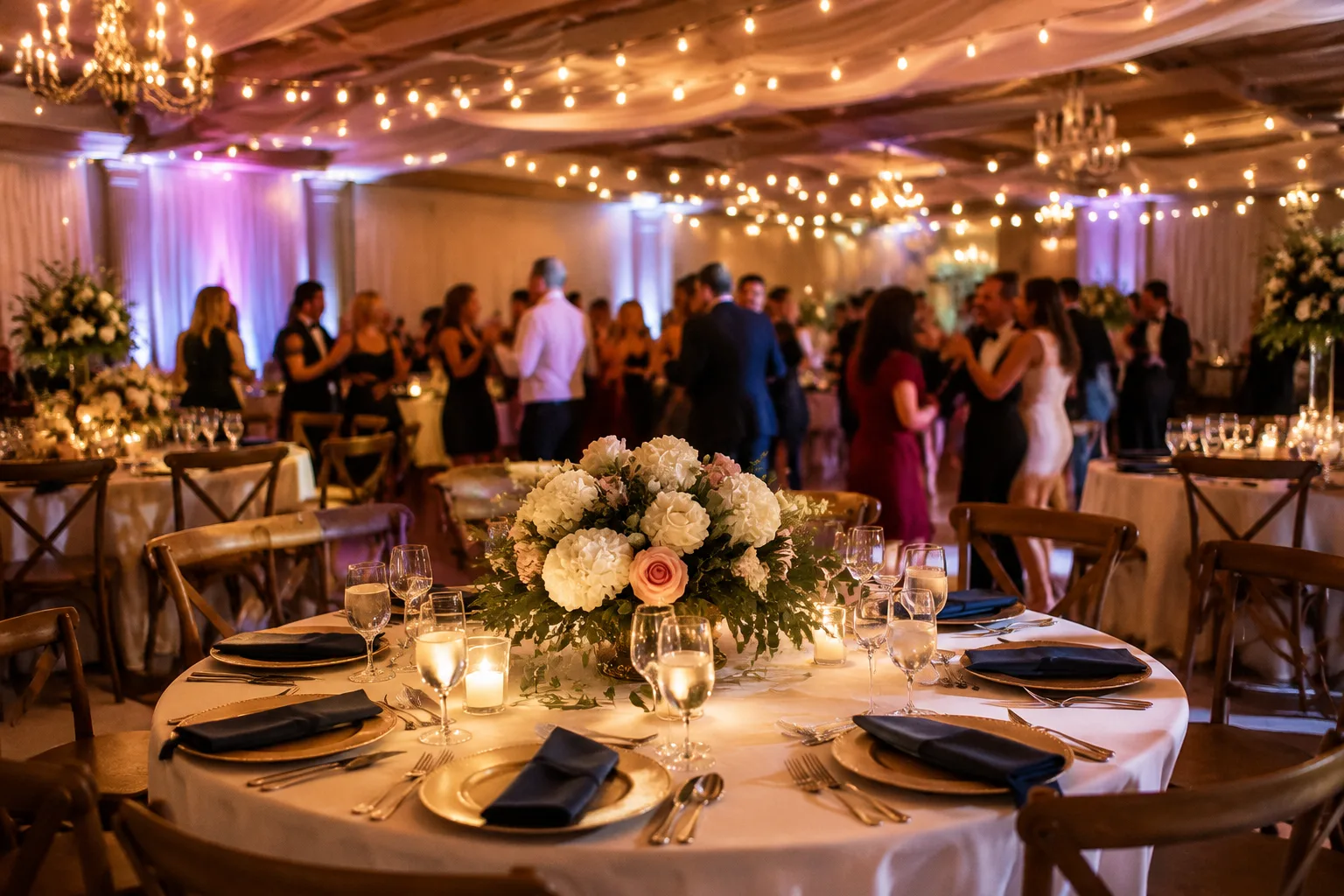
The reception is where most of your wedding day actually happens. It runs for hours, compared to the twenty or so minutes of the ceremony. Yet a surprising number of couples spend far more planning energy on the ceremony than on the reception that follows. This guide covers how a typical reception timeline flows, which traditions are worth keeping (or skipping), and what's trending in Atlanta receptions right now.
A Typical Reception Timeline
While every wedding is different, most Metro Atlanta receptions follow a version of this structure:
- Cocktail hour (45-60 minutes): Guests arrive from the ceremony while the wedding party takes photos. Passed hors d'oeuvres and a bar keep the mood light.
- Grand entrance: The wedding party and couple are formally introduced into the reception space.
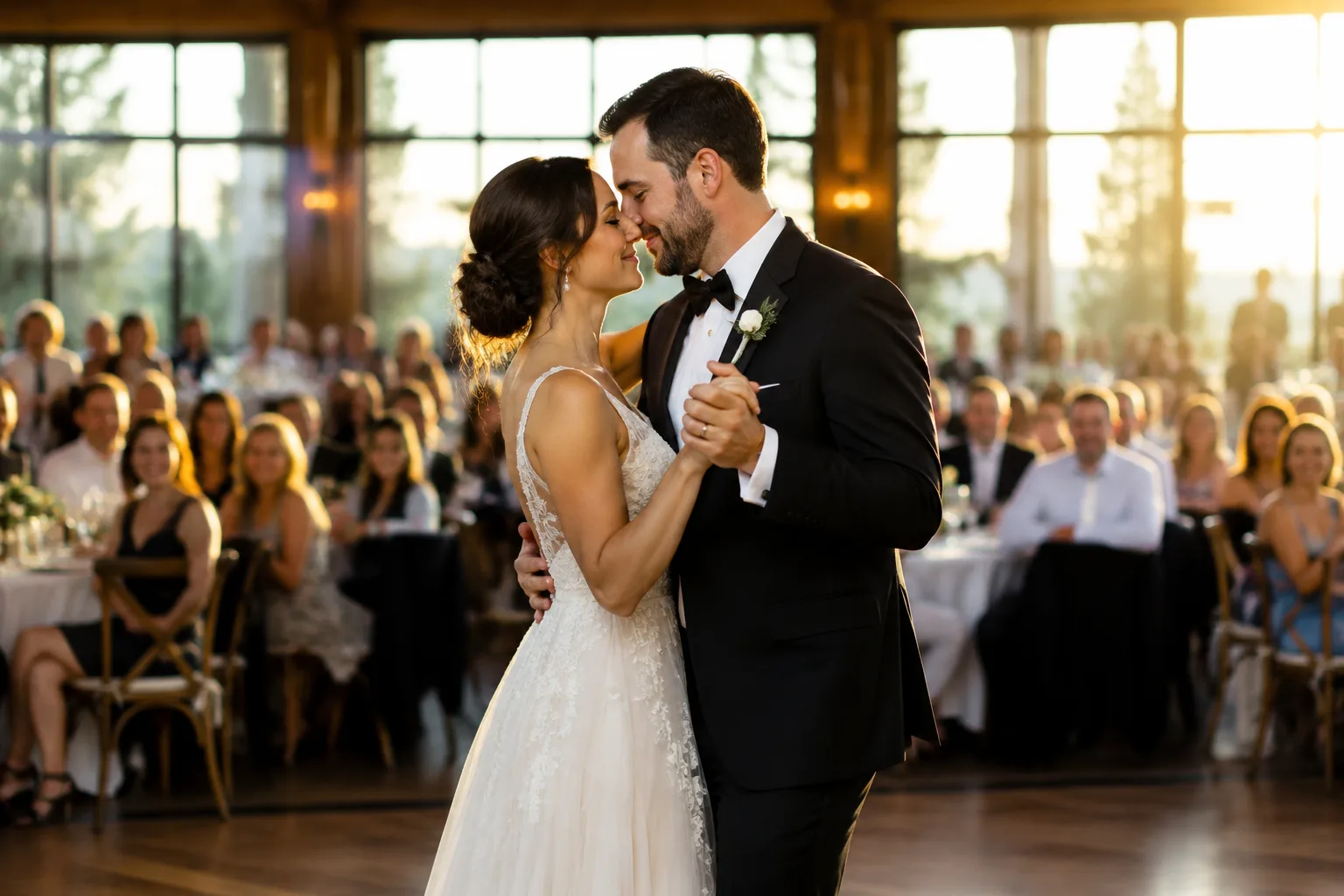
- First dance: Often immediately after the entrance, while energy and attention are highest.
- Welcome toast and dinner service: Whether plated, buffet, or family-style, dinner is typically the longest single block of the reception.
- Toasts: Traditionally from the best man and maid of honor, sometimes joined by parents, usually during or right after the meal.
- Parent dances: Father-daughter and mother-son dances, or an equivalent that fits your family structure.
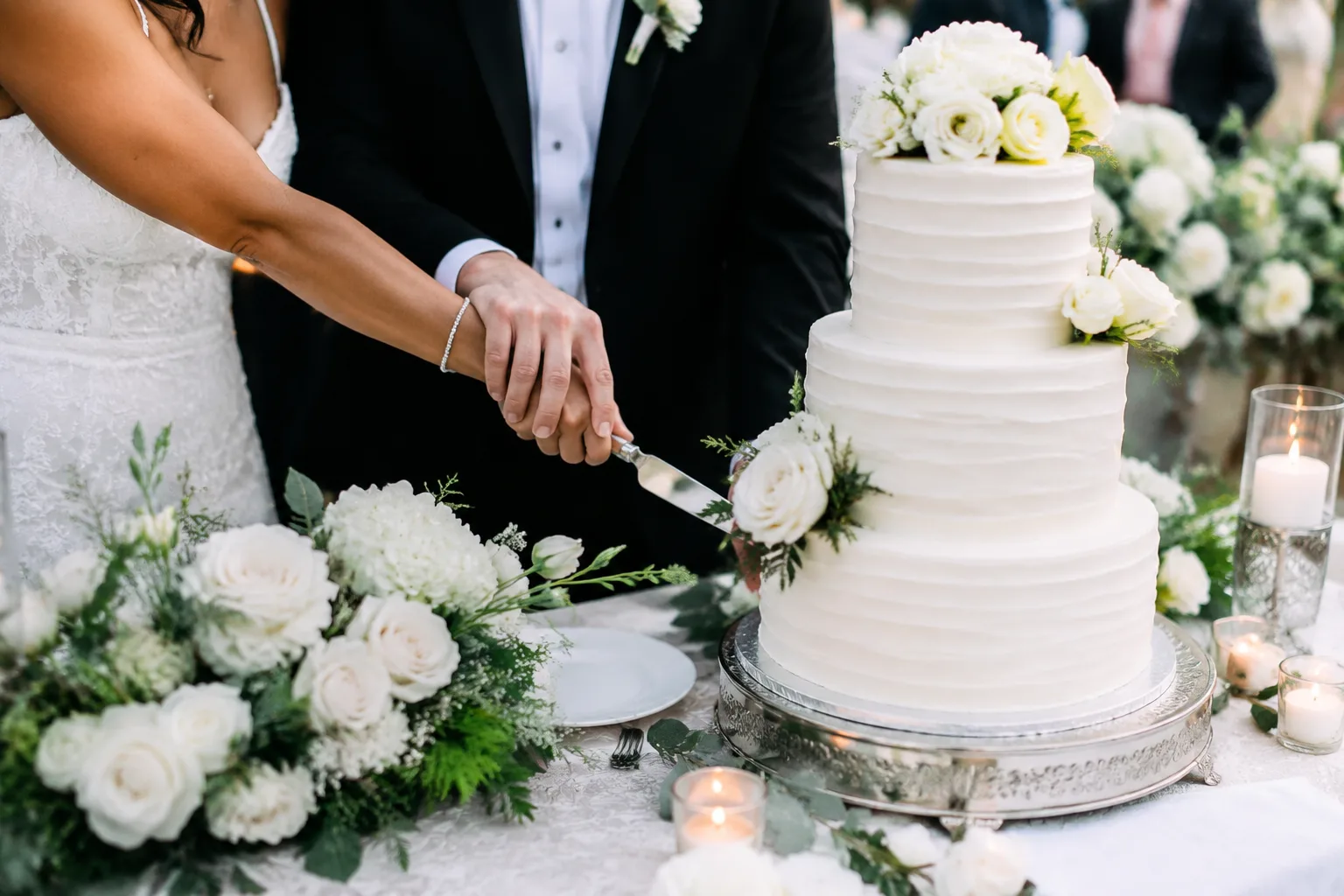
- Cake cutting: Often scheduled earlier in the evening than tradition suggests, so photographers can capture it before losing light or energy.
- Open dancing: The bulk of remaining reception time, typically two to three hours.
- Bouquet and garter toss (optional): A shrinking tradition, but still requested by some couples and families.
- Send-off: A sparkler exit, bubble send-off, or simply a final toast to close the night.
Traditions Worth Keeping, Rethinking, or Skipping
Traditions Most Couples Still Love
The first dance, toasts, and cake cutting remain popular because they create clear emotional high points that photographers and guests both look forward to. These moments also naturally structure the evening, giving your catering and event team clear cues for timing food service around them.
Traditions Getting a Modern Twist
Many couples are reworking the bouquet and garter toss, either skipping it, replacing it with an anniversary dance for the longest-married couple present, or making it optional and low-pressure. Similarly, formal receiving lines are increasingly being replaced with couples visiting each table personally during dinner instead.
Trends Gaining Popularity
- Interactive food stations during cocktail hour or as a late-night snack, giving guests a more social, customizable dining experience.
- Shorter formal programs with more unstructured dancing and mingling time, rather than back-to-back scheduled moments.
- Family-style dinner service, which blends the warmth of a home-cooked feel with the efficiency of a coordinated catering team.
- Late-night food stations: comfort food served an hour or two before the reception ends, which guests consistently appreciate after hours of dancing.
How Catering Shapes Your Reception Flow
Your catering service style directly affects your timeline. Plated dinners require more precise timing coordination with toasts and speeches, since courses are served on a schedule. Buffet and family-style service offer more flexibility but need enough space and staffing to keep lines moving smoothly. Discuss your planned reception timeline with your caterer well before the wedding so they can staff and pace service to match your program, not the other way around.
Choosing the Right Reception Venue for Your Vision
Your reception style and traditions should inform your venue choice just as much as your venue choice shapes your reception. A large, open ballroom supports formal plated dinners and structured programs well, while a rustic barn or outdoor garden setting often lends itself naturally to buffet or family-style service and a more relaxed flow. For help narrowing down your options, see our guide to choosing a wedding venue in Atlanta.
Planning Your Reception Menu
Once your timeline and traditions are mapped out, menu planning becomes much easier because you know exactly how many service moments you need to plan around: cocktail hour, dinner, and possibly a late-night bite. Explore our wedding catering services or browse our catering menus to start building a menu around your reception's flow.
Frequently Asked Questions
How long should a wedding reception be?
Most Metro Atlanta receptions run four to five hours, covering cocktail hour, dinner, toasts, and dancing. Shorter or longer receptions are both common depending on venue rental windows and guest preferences.
Do we have to do the bouquet and garter toss?
No. These are optional traditions that many couples now skip, modify, or replace with alternatives like an anniversary dance. Choose whatever traditions genuinely reflect your relationship and family.
Should dinner be served plated, buffet, or family-style?
It depends on your guest count, budget, and desired atmosphere. Plated dinners feel more formal and structured; buffet offers variety and flexibility; family-style balances warmth with efficient service. Your caterer can help match the style to your reception vision.
When should the cake cutting happen?
Many couples now schedule cake cutting earlier in the evening, sometimes right after dinner, so photographers can capture it in good light and before guests start leaving. There's no rule requiring it to happen late in the night.
How far in advance should we finalize our reception timeline with our caterer?
Aim to finalize your detailed timeline with your caterer four to six weeks before the wedding, once your final guest count and vendor schedule (photographer, band or DJ, officiant) are locked in.
What is a late-night snack station and do we need one?
A late-night station serves comfort food an hour or two before the reception ends, giving guests a second wind for dancing. It's not required, but it's a popular addition that guests tend to remember fondly.