· Atlanta Catering Events Team
Wedding Registry 101: What to Include and When to Start
A wedding registry sounds simple in theory: pick some things you want and share a list. In practice, couples routinely underestimate how much thought goes into building a registry that actually reflects their new life together, spans a wide enough price range for all your guests, and avoids the two most common regrets, registering for too much of one thing and not registering for enough practical items. This guide walks through the process from timing to categories to registry etiquette.
Table of Contents
- When to Start Your Registry
- Core Categories to Include
- Building a Realistic Price Range
- Common Registry Mistakes
- Cash Funds and Alternative Registries
- Frequently Asked Questions
When to Start Your Registry
Start building your registry as soon as you're engaged and have a rough sense of your wedding timeline, ideally 6 to 9 months before the wedding and well before your save-the-dates go out. Many guests, especially those attending pre-wedding events like an engagement party or bridal shower, will want to purchase gifts months before the wedding itself, so an empty or unfinished registry at that point means missed opportunities and guests guessing at what you need.

Core Categories to Include
A well-rounded registry typically spans these categories, even if you don't need every single item:
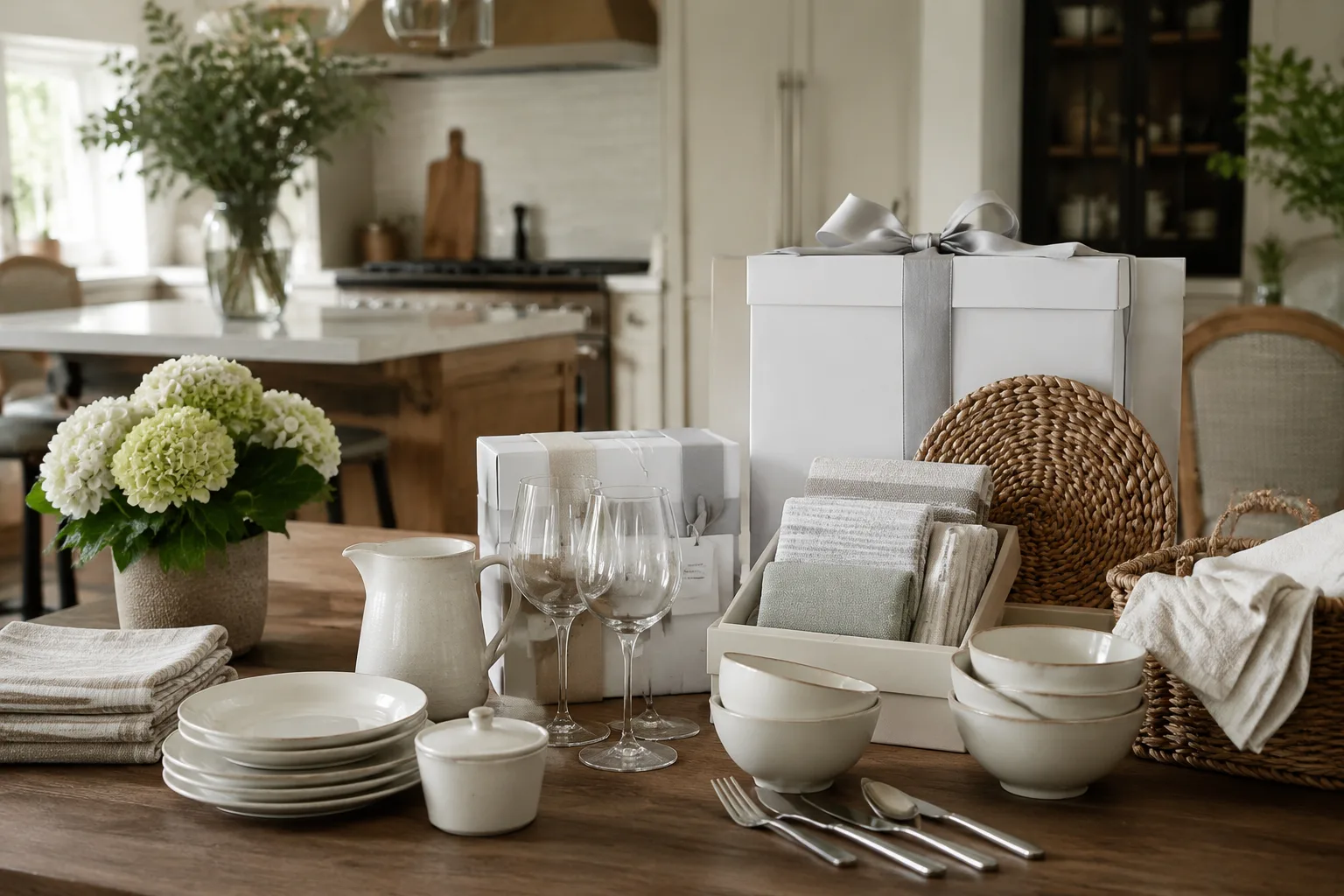
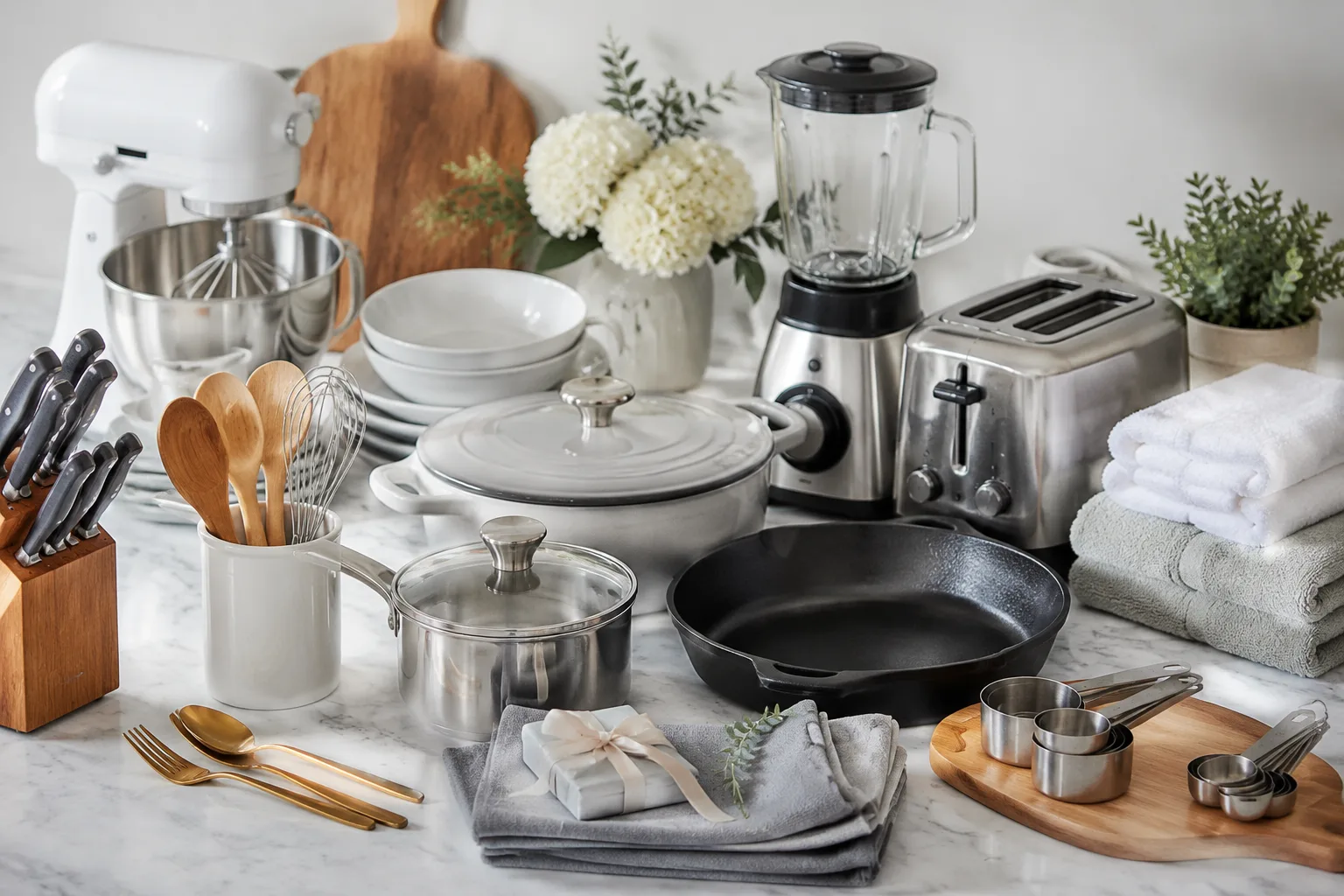
- Kitchen and dining: Everyday dishware, cookware, small appliances, and at least a modest set of "nice" items for entertaining.
- Home essentials: Bedding, towels, and other household basics that most couples need to replace or upgrade when merging households.
- Experience and honeymoon funds: Increasingly common, especially for couples who are already established with most home goods.
- Higher-ticket items: Larger appliances or furniture pieces that guests can contribute to as a group gift.
- Everyday practical items: Don't skip the boring stuff — cleaning supplies, storage containers, and basic tools are genuinely useful and often go unbought if you don't include them at all.
Building a Realistic Price Range
One of the most overlooked registry principles is price range diversity. If every item on your list costs more than a certain amount, you exclude guests who want to give a smaller, meaningful gift, and if everything is very inexpensive, you leave money on the table from guests who want to give something more significant. Aim for a spread across low, medium, and higher price points within every category, so every guest, from a coworker to a close family member, can find something that fits their budget and their relationship to you.
Common Registry Mistakes
- Registering for too much of one category: A registry stacked entirely with kitchen items but nothing for the bedroom or living room leaves guests with limited options once early shoppers buy the popular items.
- Not updating the registry as gifts are purchased: Check in periodically and add new items to replace ones that have already been bought, so late shoppers still have plenty to choose from.
- Registering at only one store: Using at least two registries (or a universal registry tool that pulls from multiple retailers) gives guests more flexibility and can help you compare price points.
- Forgetting to share the registry link clearly. Include it on your wedding website, not the invitation itself (traditional etiquette considers registry info on invitations poor form), and make sure it's easy to find.
Cash Funds and Alternative Registries
Cash and experience funds have become widely accepted, particularly for couples who are already established in their own home or who are prioritizing a honeymoon, home down payment, or charitable donation instead of physical gifts. If you go this route, it still helps to frame the request clearly and, if possible, break the fund into a few specific, tangible goals (for example, "honeymoon dinner fund" or "new home down payment") rather than one vague catch-all, since guests generally feel better giving toward something concrete.
Registries are just one piece of the broader celebration puzzle. If your guest list includes an engagement party, bridal shower, or rehearsal dinner alongside the wedding itself, each of those events benefits from its own thoughtful planning, including the food. Our team handles catering for pre-wedding celebrations as well as the main event. See our wedding catering services, or check our wedding catering timeline guide for how these events fit into your overall planning schedule.
Frequently Asked Questions
When should we set up our wedding registry?
Ideally 6 to 9 months before the wedding, and before save-the-dates go out, since many guests will want to purchase gifts well ahead of the wedding date, especially for any pre-wedding events like showers.
Is it rude to put registry information on the wedding invitation?
Traditional etiquette says yes. Registry details are typically shared on the wedding website or through word of mouth (often via the wedding party or parents), not printed directly on the formal invitation itself.
How many items should be on a wedding registry?
There's no fixed number, but aim for enough variety across categories and price points that most guests can find something appropriate. A registry with only a handful of items tends to run out of options quickly.
Is it okay to only register for a honeymoon or cash fund?
Yes, this has become widely accepted etiquette, particularly for couples who already have an established household. Breaking the fund into specific, named goals tends to feel more meaningful to guests than one generic cash request.
Should we register at multiple stores?
It's generally a good idea. Using two or more registries, or a universal registry that aggregates multiple retailers, gives guests more flexibility in price point and item selection.
What if most items on our registry get purchased early?
Check your registry periodically in the months leading up to the wedding and add new items to replace ones already purchased, so guests shopping closer to the date still have meaningful options.