· Atlanta Catering Events Team
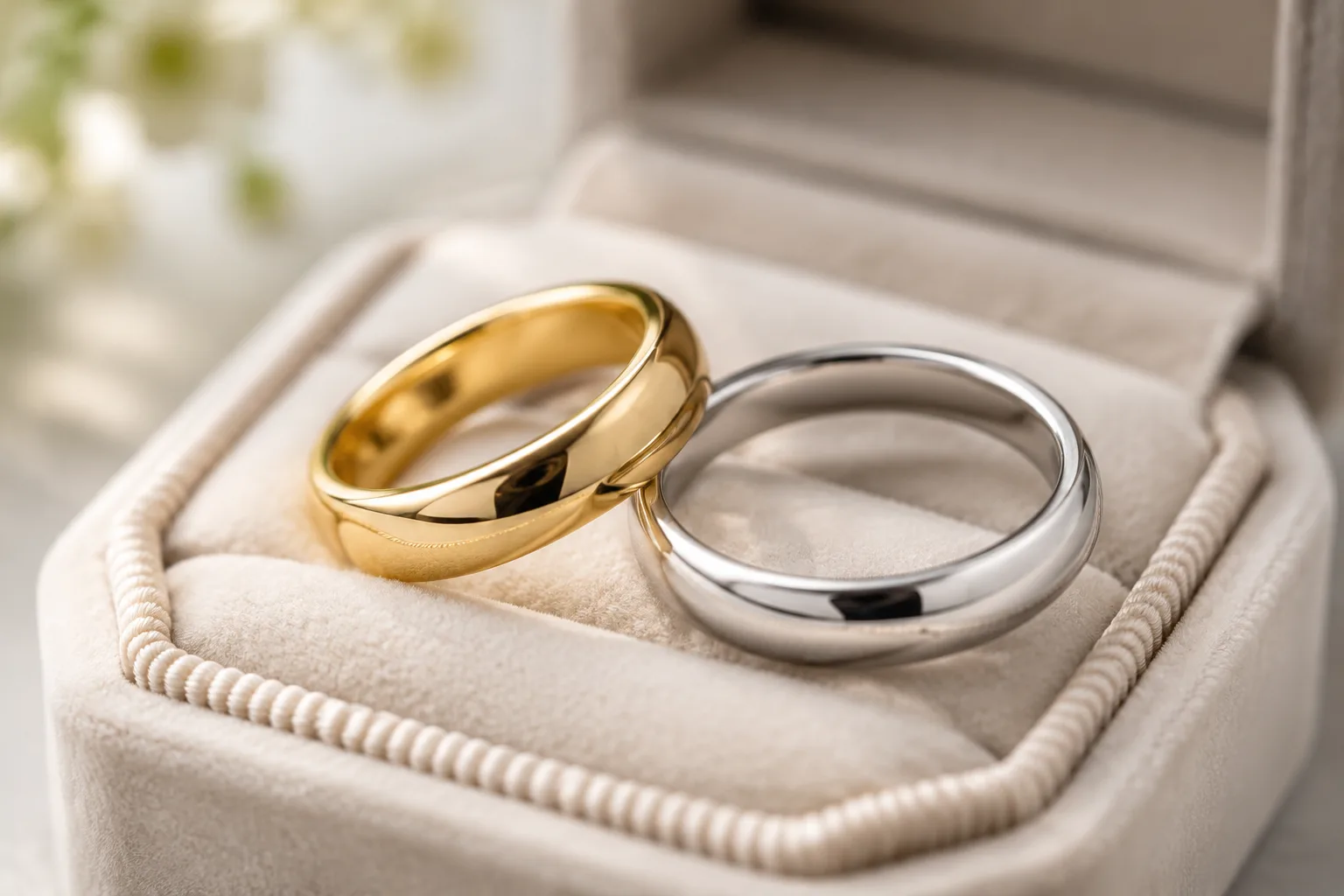
Choosing Wedding Rings and Bands: A Buyer's Guide
Your wedding band is the one piece of jewelry you will likely wear every day for the rest of your life, so getting the fit, material, and style right matters more than it might seem at first. Unlike the engagement ring, which is often chosen as a surprise, the wedding band is usually picked together, which makes it one of the more enjoyable parts of wedding planning. This guide covers what actually matters when shopping for wedding rings and bands, from metal choices to sizing to budgeting.
Engagement Ring vs. Wedding Band
These are two different pieces of jewelry with two different jobs. The engagement ring is typically given at the proposal and often features a center stone. The wedding band is exchanged during the ceremony itself and is usually a simpler, more durable design meant to be worn alongside the engagement ring (or stacked into it) for daily life. Some couples choose engagement rings and bands as a matched set from the same collection so the pieces sit flush together; others deliberately choose bands that stand alone.
Choosing Your Metal
The metal you choose affects appearance, durability, weight, and price more than almost any other decision.
- Yellow, white, and rose gold (14k or 18k): The classic choice. 18k gold is purer and slightly softer; 14k is more durable and typically less expensive. White gold requires periodic rhodium replating to maintain its bright finish.
- Platinum: Naturally white, hypoallergenic, and extremely durable, though heavier and generally more expensive than gold. Platinum develops a soft patina over time that many people prefer to a high-polish finish.
- Titanium: Lightweight, highly scratch-resistant, and budget-friendly. A popular choice for active lifestyles, though titanium bands generally cannot be resized once made.
- Tungsten carbide: Extremely hard and scratch-resistant, but brittle under high impact, meaning it can crack rather than bend if struck hard. Also cannot be resized.
- Palladium: Similar in appearance to platinum but lighter and typically less expensive, with good durability for daily wear.
Style and Setting Considerations
Beyond metal, a few style decisions shape how your band looks and wears day to day.
- Profile shape: Flat, court (rounded on both inside and outside), and comfort-fit (rounded on the inside only) profiles all wear differently. Comfort-fit bands tend to feel more comfortable for all-day wear and are easier to slide on and off.
- Width: Narrower bands (2-4mm) feel more delicate and pair well with a slim engagement ring. Wider bands (6-8mm+) make more of a statement and are common for men's bands.
- Texture and finish: Brushed, hammered, and matte finishes hide everyday scratches better than a high-polish mirror finish, which shows wear more visibly over time.
- Stones and accents: Some bands include a line of small diamonds or other stones (an eternity or half-eternity band). These add sparkle but require more careful cleaning and occasional prong inspection.
Getting the Sizing Right
Ring size can fluctuate with temperature, time of day, and activity level, so keep a few things in mind before ordering.
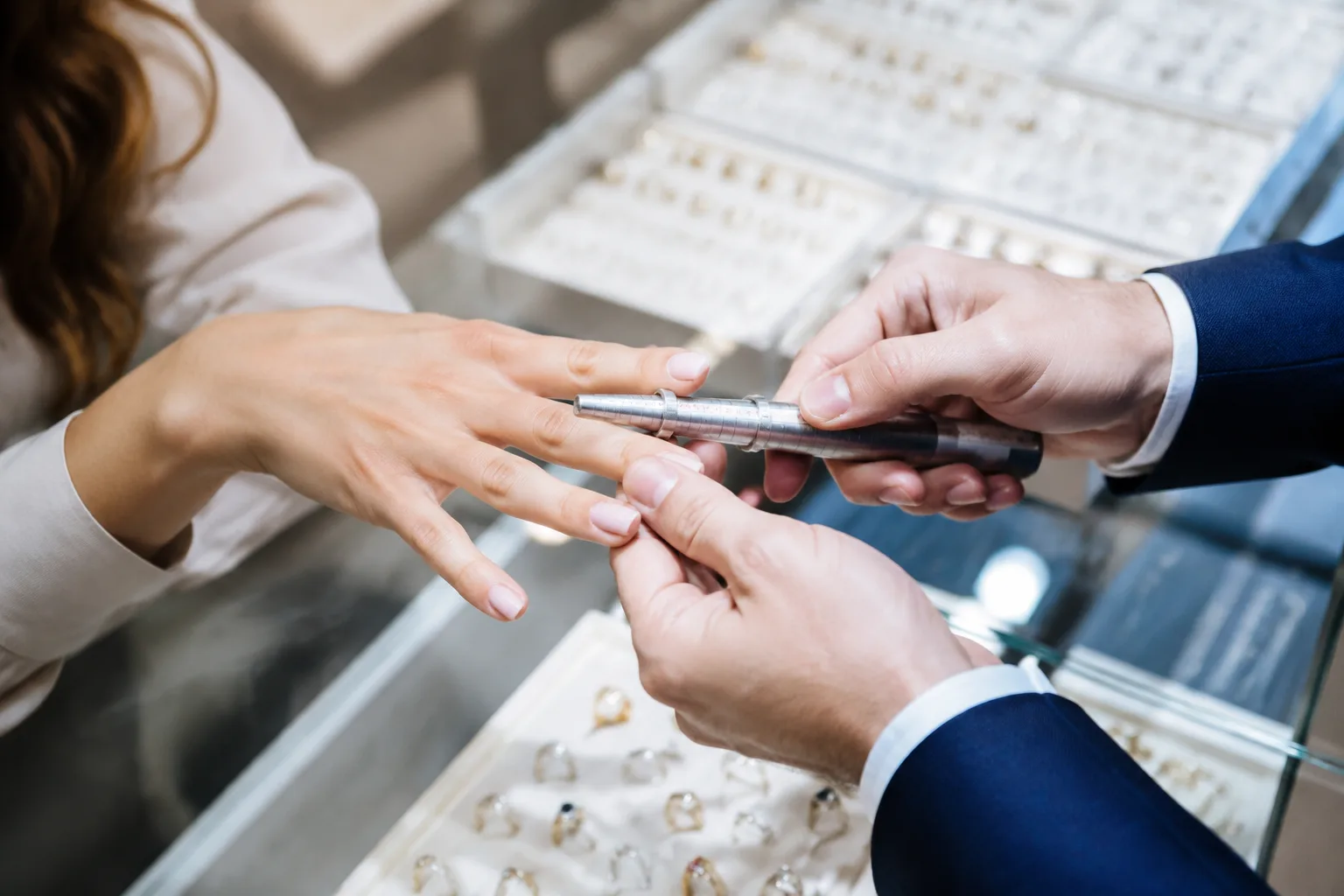
- Get sized in person at a jeweler rather than relying solely on a printable ring sizer, which can be inaccurate.
- Have your finger measured at the end of the day when it is naturally at its largest, and avoid measuring right after exercise or in very cold weather.
- If you are choosing a wider band, size up slightly, since wider bands fit more snugly than thin ones at the same stated size.
- Ask about the jeweler's resizing policy before you buy, especially for metals like titanium and tungsten that often cannot be resized at all.
Budgeting for Wedding Rings
Wedding band costs vary enormously based on metal, width, and whether stones are included. Simple gold or platinum bands without stones are generally the most affordable option, while eternity bands with a full line of diamonds cost considerably more. A practical approach is to set a combined budget for both bands together (yours and your partner's) rather than pricing them separately, since couples often want the two pieces to feel proportionate to each other even if the individual styles differ.
Where to Shop
You generally have three paths: a local jeweler, where you can try pieces on and build a relationship for future resizing or repairs; an online retailer, which often offers a wider selection and lower prices but requires careful attention to return policies and sizing guarantees; or a custom jeweler, who can design a completely original piece or incorporate a family heirloom metal or stone. Whichever route you choose, ask for the item's material certification, warranty terms, and return or exchange policy in writing before purchasing.
Caring for Your Rings
- Remove rings before heavy manual labor, swimming in chlorinated pools, or applying lotion and hand sanitizer directly to them.
- Clean regularly with mild soap and warm water, or have your jeweler professionally clean and inspect the setting once a year.
- Get prong settings checked annually if your band includes stones, since loose prongs are one of the most common causes of lost stones.
- Store rings separately when not worn to avoid scratching softer metals against each other.
Frequently Asked Questions
How far in advance should we buy our wedding bands?
Plan to shop and order 2 to 3 months before the wedding at minimum, especially if you want a custom design or engraving, since production and any resizing can take several weeks.
Do wedding bands need to match the engagement ring's metal?
Not necessarily. Many couples deliberately mix metals for a layered look, though matching metals does sit flush better when the rings are worn stacked together on the same finger.
What is the difference between men's and women's wedding bands?
The main differences are typically width and finish. Men's bands tend to run wider (6mm and up) with more matte or brushed finishes, while women's bands are often narrower and may include stones, though these are style conventions, not rules, and either style works for anyone.
Can wedding bands be engraved?
Yes, most metals can be engraved on the inside of the band with a date, initials, or a short phrase. Note that titanium and tungsten typically require laser engraving rather than traditional hand engraving due to their hardness.
What happens if our ring size changes after the wedding?
Gold, platinum, and palladium bands can generally be resized by a jeweler within a reasonable range. Titanium and tungsten bands usually cannot be resized, so if your weight or finger size tends to fluctuate, factor that into your metal choice.
Celebrating the Milestone
Once the rings are chosen, the celebration planning can begin. Planning a small courthouse ceremony or a full reception? Either way, our wedding catering team can help you build a menu that matches the scale and style of your day. Contact our event coordinators to start planning.